Marketing production is getting cheaper by the month. I get several LinkedIn requests a day from white-label shops overseas, and AI tools are pushing costs down even further. They can produce assets, and many of them do it just fine. More on “fine” at the end.
What they don’t have time for is judgment. They’re not able to sit down with your data, think ahead for you on your business’s top goals for sales and marketing, and ask whether this asset or episode tells your story to the person who ultimately makes the decision about working with you.
That judgment is what we’re calling communication design. Jarrod and I had a meeting yesterday about focusing more on this process at Snapmarket.
When you partner with us, we always start with positioning and messaging. We whiteboard (in person or virtually) who you are, who you serve, and what you want to be known for. Then production takes over, and our editors turn each recording into a dozen assets in a couple of days. Both of those work really well.
But between the strategy and the weekly output, which often takes a few months from idea to production, a question arises that’s harder to answer than it sounds: Is this actually landing with the most important decision maker? Our new Scale practice is making a lot of headway toward answering that, which I wrote about on Tuesday. But we have questions to investigate further to deliver better value to our clients.
Communication design is the discipline of following one thread all the way through, from who you are, to the story we built together, to every title, thumbnail, and clip, to the person on the other side of the screen. It’s akin to the Scale layer with its quantitative emphasis, but with a more qualitative, editorial nature.
In practice, that means a few things. I often describe what I call “nodes in the network” of the kind of people you need to reach to build a successful business. What I mean by that, as I explain in my messaging video, is that out of the 20 million prospects that fit your demographic TAM criteria, you may need only 1,000 to dramatically increase revenue and build the business you’re aiming for. More than that, you may find that only 25 or 50 or 100 are required because they’re outsized influencers, referral partners, or ideal clients that spread the word more effectively than others.
So, thinking about this in the context of a YouTube video, your titles need to speak to a specific buyer with a specific problem by name and role, not a general audience. As our sales and messaging work sharpens who that buyer is, the show sharpens with it. Your thumbnails can do their own work, making a claim or asking a question that pays off once someone reads the title. We’re thinking more critically about A/B testing titles and thumbnails as a matter of course. And we’ll bring you real recommendations on your show’s direction, format, and guests, not just the next batch of assets.
I’m finding that many of these platforms really are turning into keyword-driven search tools, particularly in the AI agent era. For example, a few LinkedIn posts with particular keywords seem to outperform others about philosophical musings. I love philosophical musings, but the more specific, practical we can be with posts, the better they seem to perform. Ditto on YouTube and Google Search Console.
It also closes a loop we’ve been building all year. Tyrone, our analyst, reviews your performance data. Jarrod, who is leading communication design for us, turns those findings into changes to your show. We measure what happens, and we adjust. Every quarter we ask the same questions again: What are we saying, who is it reaching, and is it working? Story, system, send, scale—over and over, for every client.
We obviously like to be efficient with quick turnarounds when necessary. But we’re finding the value of slowing down at the moments that matter. There’s an old line that slow is smooth and smooth is fast. A few hours spent getting the story tight saves months of shipping episodes that are fine but forgettable. I’ll take that trade every time.
“Fine” is the outcome we worry about most. A show can be on schedule, on budget, and on brand and still not move anyone. You should be delighted by your show because it sounds like you, and you should be able to point to the leads and revenue it drives. Those two things aren’t in tension. Good storytelling is what makes the numbers move.
We’ll keep you updated on what the data shows for your show and what we propose to change. If you want to dig in, Jarrod can set up an hour with you. Then we’ll run the changes for a quarter or two and see how it goes.
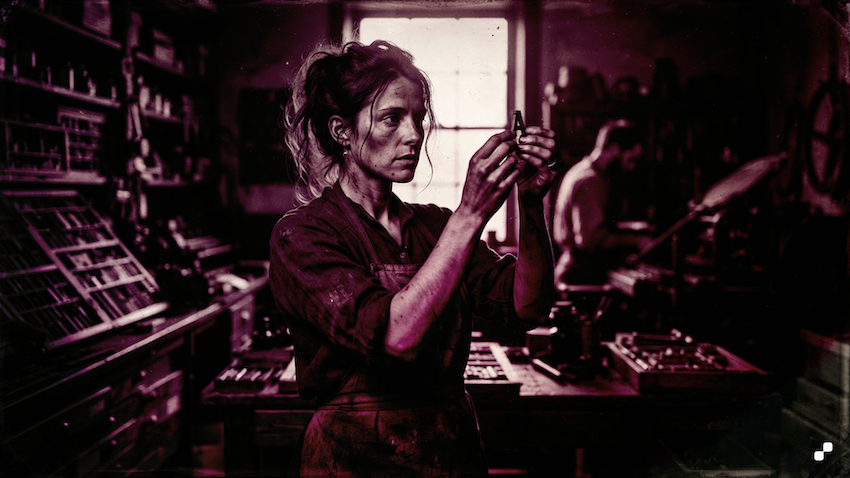
This is the kind of company I want to build—thoughtful craftsmen doing work we’re proud of, healthy and sustainable, for clients who stay because the work simply works.