
F1 teams are slow.
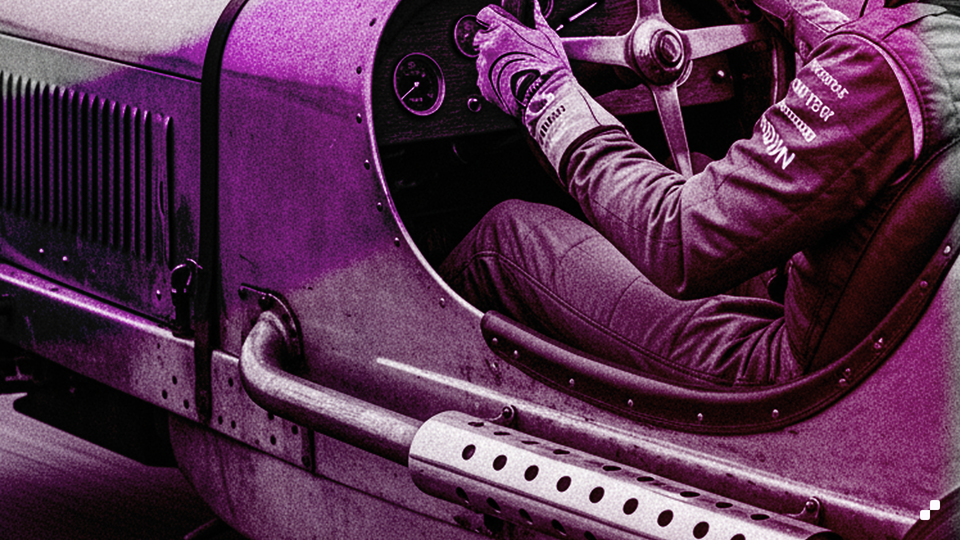
Lately I’ve been watching a lot of Drive to Survive on Netflix because my South African teammates are obsessed with F1, and I’ve noticed this tension: In order to be extremely fast on Sunday races, the teams have to be extremely meticulous, precise in their craftsmanship, which must take a lot of time and thoughtfulness.
Engineers spend time thinking, designing, and crafting parts in just the right way down to the tiniest details. Designers craft marketing materials, obsess over dozens of masterful photo selects, erecting and skinning temporary buildings. Managers have to create one coherent culture, think through media calendars, assess which people are burning out and which can keep going at high velocity. Even the drivers have to control their mental state to be calm through meditation, visualization, morning routines.
What you see on Sundays is the result of a thousand people coming together to make a car race at two hundred miles an hour and shave thousandths of a second off their lap times, where wheels come within inches of the wall and other cars.
In other words, they have to be slow in order to be fast. This echoes another favorite quote of ours: “Slow is smooth, smooth is fast.”
Modern business culture pushes us to move fast and break things, to slam our days with back-to-back meetings, to rush through our inbox. I’m guilty of it too, but I’m actively working on being slower in order to be faster.
You know this intuitively from aphorisms you’ve heard before: Do it right the first time. Measure twice, cut once. Prior planning prevents piss-poor performance.
An older, wiser colleague of mine used to say, “We always have time to do it twice, but never have time to do it right.”
This slow-is-fast approach matters everywhere. A chef can move more efficiently using mise en place. A painter can spray an entire house in one day after spending the preceding week taping and prepping. A wise man spends most of his time sharpening the ax.
That’s just it. Wisdom, as Jarrod pointed out when we were talking the other day, is knowing which things you need to be fast and slow about.
F1 engineering teams don’t need to run at race pace. They need time and space—even emotional and creative space—to think through one degree of camber, a few grams of weight distribution, the precise slope of the tail wing.
As marketers and business leaders, we cannot rush what cannot be rushed. The speed we seek is downstream of an almost devotional slowness in preparation.
Some leaders argue the most productive thing they can do is take mornings or whole days or weeks of solitude to think or pray. Bill Gates is famous for his reading weeks: Every year he takes a stack of books, stows away in a cabin for an entire week, and just thinks. Warren Buffett says he gets paid to make a handful of billion-dollar decisions each year, spending almost all of his time reading.
They know that patience is performance. Often, the fastest teams are the slowest, and wisdom knows the difference.
As always, we’re grateful to serve.